Using iCloud Email Login is simple once you understand the steps. iCloud Mail is Apple’s email service, and it works on iPhone, Android, and any web browser. Many people use it for personal and business communication because it is secure and reliable.
In this guide, I will explain everything in simple words. You will learn how to log in on different devices, fix common problems, and use iCloud Mail like a pro. I will also share personal tips that help make email easier and safer.
If you are new, don’t worry. This article is written for beginners and even kids can understand it.
What Is iCloud Email Login?
iCloud email login is the process of signing into your Apple Mail account. Apple gives every user an iCloud email address when they create an Apple ID. This email looks like name@icloud.com.
You can use this email to send messages, store contacts, and sync data across devices. Many people like it because it connects easily with iPhone, Mac, and iPad.
Even if you do not own an Apple device, you can still use iCloud Mail through a web browser. That makes it flexible for everyone.
Benefits of Using iCloud Mail
iCloud email login offers many benefits. First, it is free and comes with your Apple ID. Second, Apple uses strong security features like two-factor authentication.
Another big benefit is syncing. If you read an email on your iPhone, it will show as read on your Mac or web browser. This makes managing messages easy.
From my experience, iCloud Mail is fast and clean. The design is simple, so beginners do not feel confused.
iCloud Email Login on iPhone
icloud email login on iPhone is very easy. Open the Settings app and tap your name at the top. Then select iCloud and turn on Mail.
If you are not signed in, enter your Apple ID and password. After that, open the Mail app and your inbox will appear.
I personally like using iCloud Mail on iPhone because it syncs instantly and works smoothly with Siri and other Apple apps.
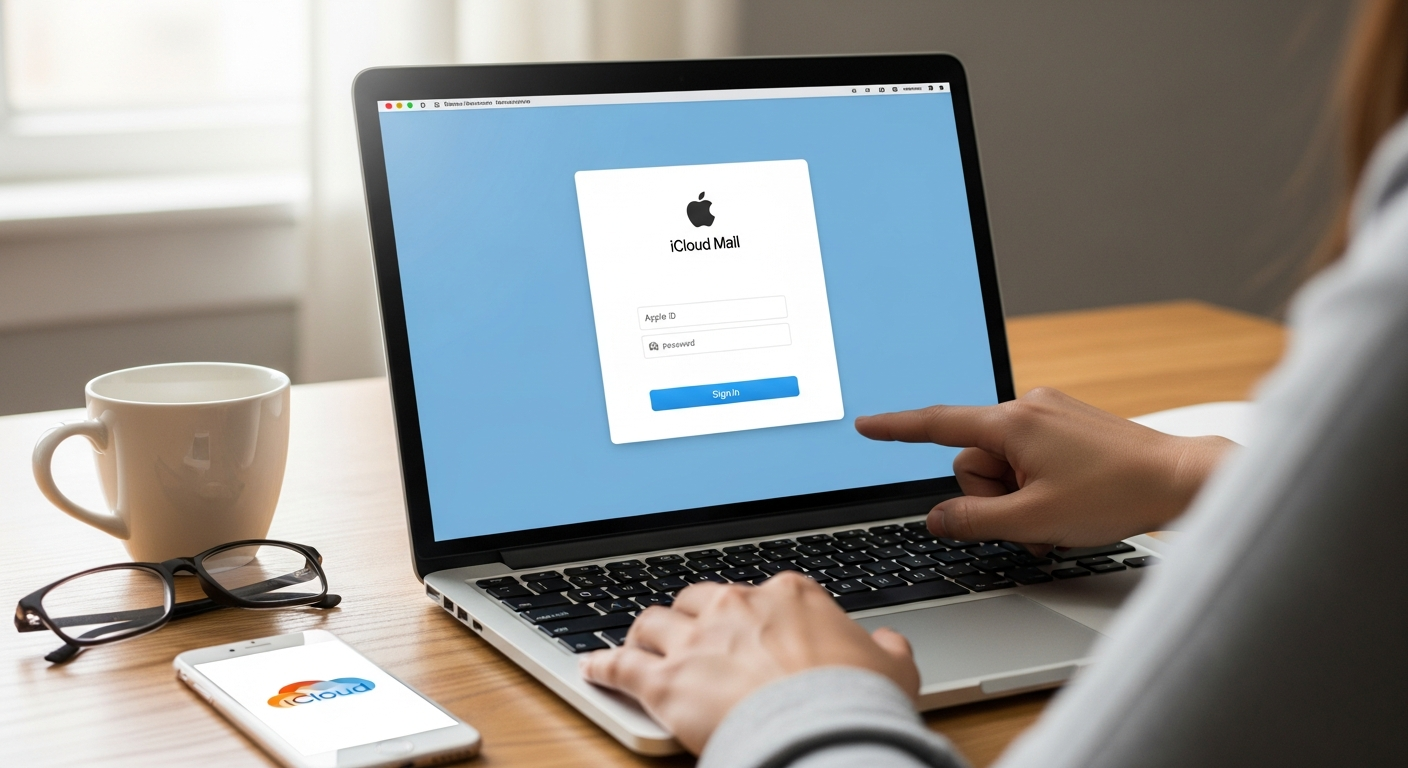
iCloud Mail Biography & Details Table
| Image | Feature | Details |
|---|---|---|
|
Service Name | iCloud Mail |
| Developed By | Apple Inc. | |
| Launch Year | 2011 | |
| Email Domain | @icloud.com | |
| Free Storage | 5 GB | |
| Supported Devices | iPhone, iPad, Mac, Android, Windows, Web | |
| Security Features | Two-Factor Authentication, Encryption | |
| Email Protocols | IMAP, SMTP | |
| Cost | Free with Apple ID | |
| Main Purpose | Email Communication & Syncing |
iCloud Email Login on Android
Yes, you can use icloud email login on Android too. You need to add your iCloud account manually in the Gmail or Email app.
Go to settings, add a new account, and choose “Other.” Enter your iCloud email and password. Use the IMAP server settings from Apple’s website.
It may take a few minutes to set up, but once done, it works just like any other email account. This is helpful for users who switched from iPhone to Android.
iCloud Email Login on Web
icloud email login on web is the easiest method for beginners. Open a browser and go to iCloud.com. Enter your Apple ID and password.
After logging in, click on Mail to open your inbox. You can read, send, and manage emails from any computer.
This is perfect for people who use Windows PCs or shared computers.
Step-by-Step iCloud Login Process
To use icloud email login, follow these steps:
- Create an Apple ID if you don’t have one.
- Go to iCloud.com or use your device settings.
- Enter your email and password.
- Complete two-factor verification if asked.
- Open Mail and start using it.
These steps are simple and work on all devices.
Common iCloud Login Problems and Fixes
Sometimes icloud email login may not work. Common issues include wrong password, internet problems, or Apple server issues.
If you forget your password, reset it on Apple’s official website. If emails are not syncing, check your internet connection and iCloud settings.
In my experience, restarting the device solves many small problems.
Security Tips for iCloud Mail
Keeping icloud email login safe is very important. Always use a strong password with letters, numbers, and symbols.
Turn on two-factor authentication. This adds an extra layer of security. Avoid logging in on public computers if possible.
Apple’s security is strong, but user safety habits matter too.
iCloud Email Features You Should Know
iCloud email login gives access to many useful features. You can create folders, set filters, block spam, and attach files easily.
You also get 5 GB of free storage shared with other iCloud services. This is enough for most users.
I personally like the spam filter because it keeps my inbox clean.
Differences Between iCloud Mail and Gmail
Many people compare icloud email login with Gmail. Gmail offers more storage, but iCloud Mail integrates better with Apple devices.
iCloud Mail focuses on privacy, while Gmail offers more smart features. Both are good, but your choice depends on your needs.
FAQs
1. What is iCloud email login?
It is the process of signing into your iCloud Mail account using your Apple ID and password.
2. Can I use iCloud email on Android?
Yes, you can set up icloud email login on Android using IMAP settings.
3. Is iCloud Mail free?
Yes, it is free with an Apple ID and includes 5 GB storage.
4. How do I reset my iCloud password?
Go to Apple’s official website and use the password recovery option.
5. Can I access iCloud Mail on a PC?
Yes, use icloud email login on web through any browser.
6. Is iCloud Mail safe?
Yes, Apple uses strong encryption and security tools to protect your data.
Conclusion
Using icloud email login is simple and useful for anyone who wants a secure email service. You can log in on iPhone, Android, and web easily. Apple’s security, syncing, and clean design make it a great choice for beginners and advanced users alike.
If you found this guide helpful, try logging in today and explore iCloud Mail features. Share this guide with friends who need easy email help.
Leave a Reply