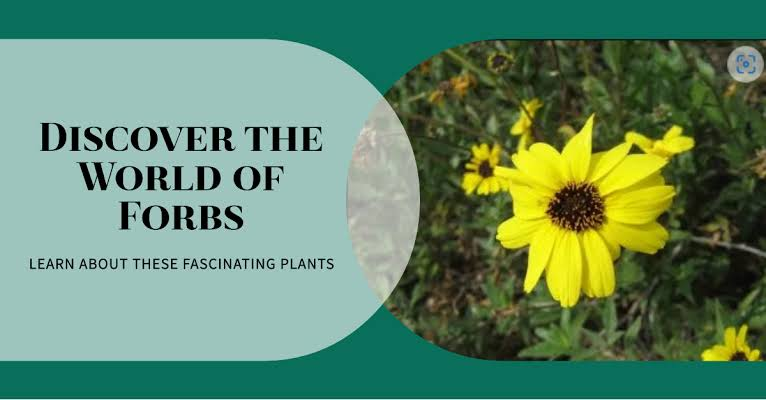
When you walk through a sunny meadow, you see many different types of green life. Some are tall grasses, but others are bright, showy flowers that stand out. Have you ever wondered what these special flowers are called? In the world of nature, we call these beauties a forb plant
A forb plant is basically any flowering plant that isn’t a grass. Think of wildflowers like sunflowers or daisies. They are not woody like trees, and they are not like the grass in your lawn. They are unique, soft-stemmed, and very important for our environment. Let’s dive into why the forb plant is such a cool part of nature.
Table of Contents
What Defines a Forb Plant?
At its simplest, a forb plant is an herbaceous flowering plant. This means it doesn’t have woody stems like a bush or a tree. Instead, it stays soft and green. Unlike grasses, sedges, or rushes, a forb plant usually has broad leaves and colorful flowers. They are the true stars of any wildflower field.
Why Are Forbs Important for Nature?
Every forb plant plays a big role in its home. These plants provide food for many insects, like bees and butterflies. They also help keep the soil healthy. Because they have different root systems than grass, a forb plant helps hold the earth together. This prevents dirt from washing away when it rains.
Common Examples of Forbs
You have likely seen a forb plant many times without knowing the name. Think of the beautiful black-eyed Susan or the bright purple coneflower. Even common clover is a type of forb plant. These plants are everywhere, from your local park to vast open meadows.
The Difference Between Forbs and Grasses
It is easy to tell them apart once you know the secret. A forb plant has wide leaves, while grass has thin, blade-like leaves. Also, a forb plant almost always has showy, bright flowers designed to attract pollinators. Grasses, on the other hand, usually rely on the wind to spread their seeds.
How Forbs Help Animals
Many animals love to snack on a healthy forb plant. Deer, rabbits, and many birds rely on them for dinner. Because they are so nutritious, they are a vital part of a balanced diet for wildlife. A healthy field with plenty of forb plant varieties is a sign of a happy ecosystem.
NC State Extension Publications – NC State University
Gardening with Native Forbs
If you want to help nature, try planting a forb plant in your garden! They are very easy to grow and look stunning. They don’t need much fuss, and they bring life to your yard. Watching a butterfly land on a forb plant is a magical experience for anyone.
Protecting Our Wildflowers
Sometimes, invasive weeds can crowd out a good forb plant. It is important to keep our meadows natural and healthy. By learning to identify a native forb plant, you can help protect them. These plants are the heartbeat of the natural world.
The Science of Herbaceous Plants
Botanists love studying the forb plant because they are so diverse. There are thousands of different types! Each forb plant has its own unique way of growing and blooming. From the desert to the forest, you will find these amazing plants thriving everywhere.
Seasonal Life of a Forb
A forb plant follows the rhythm of the seasons. Many will sprout in the spring, bloom in the summer, and then go dormant in the winter. This cycle keeps the soil refreshed and ready for the next year. It is a beautiful process to watch.
Why We Should Appreciate Forbs
Without the forb plant, our world would be much less colorful. They provide the beauty that makes us love the outdoors. Next time you see a field of wildflowers, remember that you are looking at a field of hard-working, essential plants.
Quick Biography: The Life of a Common Forb
| Stage | Description |
| Seed | Starts as a small, dormant kernel in the soil. |
| Sprout | Germinates in spring, putting out its first leaves. |
| Growth | Develops a soft, non-woody stem and root system. |
| Bloom | Produces a flower to attract bees and butterflies. |
| Seed Set | Creates seeds to ensure the next generation survives. |
Frequently Asked Questions (FAQs)
1. Is a forb plant the same as a weed?
Sometimes people call them weeds, but they are actually important wildflowers that help the environment!
2. Can I eat a forb plant?
Some are edible, but never eat any plant unless you are 100% sure what it is.
3. Does a forb plant grow in the shade?
Yes, many types of forb plant species love the cool shade of forest floors.
4. Why do bees love a forb plant?
The bright flowers of a forb plant provide sweet nectar and pollen that bees need to survive.
5. Are forbs hard to take care of?
Not at all! Native varieties are very tough and often grow perfectly on their own.
6. Do all forbs have flowers?
Yes, they are defined as flowering plants that do not have woody parts.
Conclusion
The forb plant is a true hero of the plant kingdom. From their pretty petals to their deep roots, they do so much to keep our planet green and healthy. Next time you are outside, take a moment to notice these special flowers. Do you have a favorite wild flower? Share this guide with a friend and help everyone appreciate the natural beauty of the forb plant!
This video provides a great visual explanation of why forbs are essential for healthy pastures and grazing animals.
Leave a Reply